


There are no more items in your cart

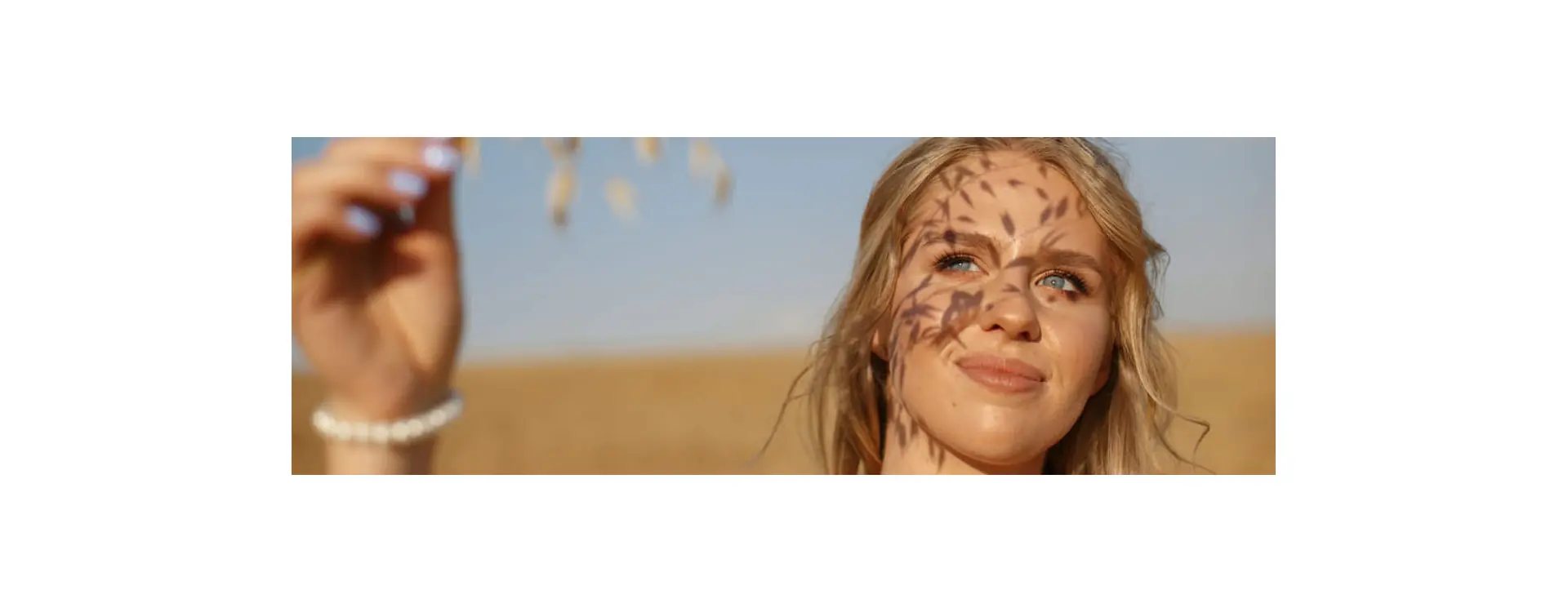
Photoaging is the process of premature skin ageing caused by exposure to the sun's ultraviolet (UV) radiation. This form of ageing differs significantly from chronological ageing, which is a natural part of the life cycle. While chronological ageing depends on genetics and time, photoaging is directly linked to external factors, primarily the sun.
What is photoaging?
Photoaging refers to changes in the skin that occur as a result of prolonged and repeated exposure to UV radiation. UV rays damage the skin at a microscopic level, causing the breakdown of collagen, changes in the structure of elastin, and increased production of melanin. These changes result in the appearance of wrinkles, hyperpigmentation, loss of skin elasticity, and the development of skin irregularities such as spots and broken capillaries.
How to recognise photoaging
Photoaging most often shows itself through the following symptoms:
How does photoaging develop?
Photoaging is caused by UV radiation that penetrates the skin and damages the dermal structure. UVB rays act on the surface layer of the skin, causing burns and DNA damage, while UVA rays penetrate deeper and cause long-term changes to collagen and elastin. These changes don't appear immediately, but accumulate over time, which means that the consequences of sun exposure in youth only become visible later in life.
How to prevent photoaging
Preventing photoaging is based on a few key steps:
Natural cosmetics and photoaging
Using natural cosmetics can further support the health of the skin in the fight against photoaging. Products free of synthetic chemicals and rich in natural oils, plant extracts and vitamins can encourage skin regeneration and provide extra protection from external influences. In your daily routine, including a serum with antioxidants and natural-based moisturisers can significantly reduce the visible signs of photoaging.
To sum up...
Photoaging is a process we can slow down significantly with proper protection and skincare. Daily sun protection, using products rich in antioxidants and hydration are key elements in preserving a youthful appearance. Natural cosmetics offer safe and effective options for caring for skin exposed to the everyday influence of UV radiation, and can be an important part of your anti-ageing routine.
Skincare isn't just a matter of aesthetics, but of health too, so take care of your skin today so that it stays healthy and radiant in the future.
Or, as my grandmother would say – save your youth for old age.
 From 1 to 11 October we are taking a short holiday
Why Does a Single Scent Take Us Back to Childhood in a Second?
Did Your Products Arrive Warm? Don't Worry, That's Perfectly Normal.
They're Hot Too: How to Help Your Dog Survive Summer Without the Drama
Dry vs. dehydrated skin - is not the same
From 1 to 11 October we are taking a short holiday
Why Does a Single Scent Take Us Back to Childhood in a Second?
Did Your Products Arrive Warm? Don't Worry, That's Perfectly Normal.
They're Hot Too: How to Help Your Dog Survive Summer Without the Drama
Dry vs. dehydrated skin - is not the same